Avoid Sutton Council fines for Belmont removals
If you are planning a move in Belmont, the last thing you want is a surprise penalty because the van blocked a bay, overstayed, or used the wrong space at the wrong time. That is exactly why people search for ways to Avoid Sutton Council fines for Belmont removals: not just to save money, but to keep the move calm, legal, and on schedule. In practice, the difference between a smooth move and a costly headache is often just a bit of planning, a sensible vehicle position, and knowing when a permit, suspension, or extra caution is needed.
Belmont removals can be straightforward, but Sutton's streets, parking controls, and access restrictions can make a simple house move feel oddly complicated. The good news? Most fines are avoidable. In this guide, we will walk through the common risks, the checks worth doing before moving day, and the practical steps that help you stay on the right side of local rules. You will also find a checklist, a comparison table, and a real-world example so you can plan with a bit more confidence. Let's face it, moving day is busy enough without a ticket under the windscreen wiper.
Why Avoid Sutton Council fines for Belmont removals Matters
A fine may seem like a small risk compared with the cost of the whole move, but in reality it can trigger a chain of problems. A penalty can add avoidable expense, yes, but it can also slow down loading, increase stress, and create tension with neighbours or building managers. If you have ever watched a removals team trying to juggle boxes while a parking issue unfolds nearby, you will know the vibe: rushed, awkward, and entirely preventable.
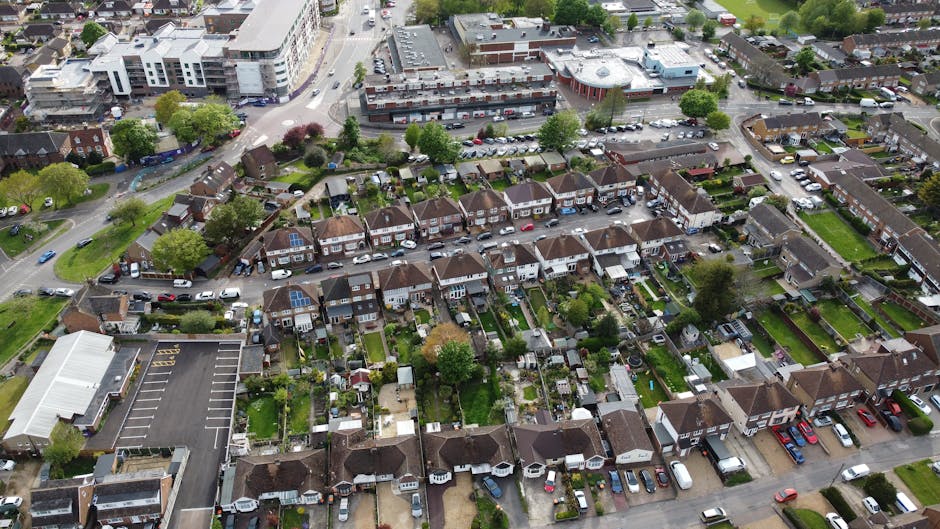
Belmont sits within a part of Sutton where parking conditions can vary street by street. Some roads are quiet and manageable; others have controlled zones, tight kerbs, or limited stopping space. That means a removals van cannot simply arrive, park anywhere, and assume everything will be fine. The same is true for flats, maisonettes, homes on narrow residential streets, and properties with shared access. A few minutes spent checking the rules can save hours of hassle later.
There is also a trust factor. If you are moving out of a rental, a parking ticket or obstruction complaint can complicate checkout conversations. If you are moving into a new home, it can sour the first day in the property. And if you are coordinating staff or family, the whole thing becomes one more unnecessary issue to manage. No one needs that on moving day.
For local moves, good planning is often more valuable than brute force. That is where a proper removals approach, especially one built around local awareness and vehicle suitability, really helps. Services such as removals and man and van support can be useful because they are typically set up for compact, efficient loading rather than oversized, inefficient parking behaviour. For larger or more complex jobs, house removals and flat removals may be a better fit, simply because the move plan can be matched more closely to the property type.
How Avoid Sutton Council fines for Belmont removals Works
The idea is simple: before the van arrives, you reduce the chances of breaching parking or loading rules. In the real world, that means checking where the vehicle can stop, how long it can stay there, whether bays are controlled, and whether there are any time restrictions or permit requirements that affect the street. It also means thinking about the logistics of the move itself. Can the van get close enough to the entrance? Is there room to manoeuvre? Will large furniture need a short carry from a safer bay or side road?
Most avoidable fines happen because one of three things goes wrong. First, the driver or customer assumes the space is okay without checking. Second, the move takes longer than expected and the van exceeds the allowed time. Third, the vehicle stops in a way that blocks traffic, driveway access, dropped kerbs, or marked restrictions. None of this sounds dramatic, but councils and enforcement teams do not care that the sofa was heavy. They just look at the restriction.
That is why a calm, structured move matters. Good planning can include:
- checking road signs and bay markings before unloading
- choosing a vehicle that suits the street and access conditions
- building in enough time for lifts, stairs, and awkward furniture
- preparing the exit route so loading is faster
- using additional help where items are bulky or fragile
In some cases, the best option is not to squeeze the van right outside the front door at all. It may be smarter to use a nearby legal stopping place and carry items a little further. That sounds less convenient, but it often reduces risk and keeps the move moving. Oddly enough, a slightly longer walk can be the reason you avoid a very short, expensive mistake.
For customers with tighter spaces or more delicate jobs, services like removal van hire, moving truck options, or a smaller man with van setup can be more practical than using a bigger vehicle. The right size matters. Sometimes the biggest risk is simply taking a vehicle that is too large for the street.
Key Benefits and Practical Advantages
There are obvious financial benefits to avoiding fines, but the real value runs deeper. A move that stays compliant is usually calmer, faster, and easier to coordinate. You keep more control over the day, and that can make a surprising difference when everyone is tired and the kettle is still in a box somewhere.
- Less financial pressure: avoiding avoidable penalties protects the moving budget.
- Smoother timings: legal parking and quicker loading reduce delays.
- Lower stress: no panic if enforcement officers appear or neighbours complain.
- Better neighbour relations: fewer obstructions mean fewer awkward conversations.
- More reliable planning: a compliant plan tends to work better overall, not just for parking.
There is also a quality-of-service angle. When a removals team is used to working carefully around local access and parking restrictions, they are often more efficient with load order and vehicle positioning. That does not mean they can magically bypass restrictions, of course. It means they are usually better at avoiding the kind of mistakes that people only notice after the ticket arrives. A small difference, but a meaningful one.
If you are comparing support options, it is worth matching the service to the job. For example, home moves are a good fit for standard residential relocations, while student removals often need compact, quick-turnaround transport. If you are moving office items, office removals or commercial moves may need a more structured plan because building access, loading bays, and timing windows can be stricter.
Who This Is For and When It Makes Sense
This matters for just about anyone moving in Belmont, but especially if your property sits on a road with controlled parking, a narrow frontage, or limited off-street space. It is also useful if you are moving during a busy time of day, at the end of a tenancy, or from a building where access is shared. If you have a staircase, a lift with strict booking times, or a communal driveway, the risk goes up a notch. Not wildly. Just enough to be worth planning properly.
You are especially likely to benefit from this guidance if you are:
- moving house or flat in Belmont
- using a van rather than a full-size lorry
- moving furniture into or out of a restricted road
- working to a fixed handover or tenancy deadline
- coordinating with neighbours, landlords, or building managers
- moving business stock or office equipment
Some moves are deceptively simple. A one-bedroom flat, a few boxes, a bed, a table. Then moving day arrives and the only safe stopping place is half a street away. It happens all the time. That is why even smaller jobs can benefit from a local, practical approach rather than a last-minute dash.
If your move is time-sensitive, a service such as same day removals can be helpful, but only if the logistics are realistic. Same-day does not mean no planning. In fact, the shorter the notice, the more careful you need to be about parking, access, and load order. A quick job can still be compliant. It just needs a sharper plan.
Step-by-Step Guidance
Here is a practical way to approach the move so you reduce the risk of council fines and keep things moving smoothly.
- Check the exact pickup and delivery streets. Do not rely on the postcode alone. Restrictions can change from one section of road to another.
- Look for signs, bay markings, and kerb rules. Pay attention to loading bays, permit-only spaces, yellow lines, and any time windows.
- Estimate how long loading will really take. Add a cushion for stairs, lifts, tight corridors, and last-minute wrapping.
- Match the vehicle to the access. A smaller, easier-to-position vehicle can be safer than a larger one that forces risky stopping.
- Prepare items before the van arrives. Boxes sealed, furniture dismantled if needed, and pathways cleared.
- Assign someone to watch the move. A second pair of eyes can spot a restriction or an access issue quickly.
- Keep essential documents and contacts handy. If you need to speak to a landlord, building concierge, or parking office, you do not want to search for a number while carrying a mattress.
- Leave a margin for delay. Traffic, weather, and awkward loading always take longer than hoped. Always.
If the move involves a larger number of items, packing support can make a genuine difference. Well-packed boxes are faster to carry, easier to stack, and less likely to slow the loading process. That is why packing and boxes and packing and unpacking services can be more than a convenience; they can be a control measure. Faster loading usually means less standing time in a restricted space, which is exactly what you want.
For some people, storage also plays a role. If your completion date is split, or the new place is not ready, using storage can reduce pressure on moving day. Fewer items on the van often means quicker loading and unloading, which makes parking exposure shorter. Simple, but effective.
Expert Tips for Better Results
In our experience, the moves that go best are not the ones with the fanciest equipment. They are the ones where someone has thought two steps ahead. That sounds obvious, but it is amazing how often a fine starts with a tiny bit of overlooked detail.
- Choose the least disruptive stopping point. A short carry is usually better than a risky stop in a questionable spot.
- Front-load the heaviest pieces. Big furniture should go in first so the van can be cleared faster at the end.
- Use colour-coded labels. If boxes are easy to identify, the team wastes less time deciding where each one belongs.
- Keep stairwells and hallways clear. This speeds things up and avoids awkward blockages.
- Protect the route. Floor coverings and corner guards can reduce damage and make the job feel more controlled.
- Make one person responsible for decisions. Too many opinions on the pavement can slow everything down.
One small but useful habit: photograph the parking space and road signs before unloading, especially if there is any doubt about the restriction. It is not a magic shield, but it helps you keep track of what was there at the time. And yes, it feels a little overcautious. Better that than explaining a ticket later.
Another practical tip is to use the right style of transport for the load. A vehicle that is too large can be harder to place safely. A vehicle that is too small can create repeated trips, which also increases risk. Services like removal services can help you balance those trade-offs in a more considered way.
Common Mistakes to Avoid
The biggest mistakes are usually not dramatic. They are the everyday ones: rushing, assuming, or underestimating. Here are the ones that come up most often.
- Assuming the kerb is fine because it looks empty. Empty does not always mean legal.
- Ignoring the time limit. Even a legal bay can become a problem if you overstay.
- Forgetting about the return journey. Unloading at one end is only half the job.
- Using a vehicle that blocks driveways or access routes. That can trigger complaints as well as fines.
- Leaving packing until the last minute. The van waits. The street does not.
- Not checking building rules. Some flats or estates have their own access arrangements.
A less obvious mistake is failing to plan for furniture that needs dismantling. A wardrobe that only fits through the hall once broken down can save a huge amount of time. And time, on a controlled street, is part of the risk. If a piece looks awkward, it probably is awkward. Trust that instinct.
For larger or more unusual items, specialist handling can be worth considering. Piano removals are a good example of where careful planning really matters. Bulky items need more coordination, more protection, and usually more patience. That is not being fussy; that is being realistic.
Tools, Resources and Recommendations
You do not need a bag full of gadgets to avoid fines, but a few basic tools help. A phone camera, a tape measure, labels, a marker pen, protective blankets, and a good checklist will take you a long way. Even a simple clipboard can make the day feel more controlled. Slightly old-school? Maybe. Effective? Definitely.
If you are comparing moving support, it helps to think in terms of the problem you actually have:
- Need a small, flexible load? Consider man with a van or man with van support.
- Moving a full house? house removals are usually the better fit.
- Moving into a flat with tricky access? flat removals are built for that kind of challenge.
- Need extra care with furniture? Look at furniture removals or furniture pick up.
- Business relocation? Explore office relocation services.
There are also important trust and safety pages worth reviewing before you commit to any move. Insurance and safety can give you confidence about how items are handled, while health and safety policy details show whether a provider takes risk seriously. If you are comparing providers, these pages often tell you a lot about how the job is run behind the scenes.
For pricing, it is sensible to review pricing and quotes before booking. A transparent estimate can help you decide whether the service level matches the complexity of the move. And if you are looking at the broader service background, about us is a decent place to understand the company approach. Simple reassurance, really.
Law, Compliance, Standards, or Best Practice
When people talk about avoiding council fines, they usually mean parking, loading, obstruction, and access rules rather than anything especially mysterious. The precise rules can vary by road, zone, and local circumstance, so the safest approach is to treat signage, markings, and any local restrictions as the deciding factor. That is the practical reality in Belmont and across Sutton: you cannot assume because something is fine one street over that it is fine here too.
Best practice is to work conservatively. If a space looks questionable, do not use it unless you are certain it is permitted for the time needed. If a loading area is available, use it properly and keep the move brisk. If you are in a managed building or estate, follow the building's own access instructions as well. Council rules, landlord rules, and estate rules can all matter. A bit annoying, yes, but that is how it is.
Good moving companies usually apply a common-sense standard: reduce obstruction, minimise dwell time, protect access, and keep the process orderly. That standard aligns well with the kind of behaviour that tends to keep fines away. For customers, it is worth asking a simple question before the move: how will the team position the vehicle so we stay compliant? If the answer is vague, that is a warning sign. If the answer is specific and calm, you are in much better shape.
For business premises, compliance may involve extra steps around access times, fire routes, and loading bays. That is where office removals and commercial moves can benefit from more detailed planning. There may not be a dramatic difference in the move itself, but the administrative side is often more exacting. Better to know that in advance than discover it at the kerb.
Options, Methods, or Comparison Table
Different types of move suit different approaches. The table below gives a practical comparison so you can choose the option that best fits your risk level, access issues, and time pressure.
| Option | Best for | Parking risk | Typical advantage | Watch-outs |
|---|---|---|---|---|
| Man and van | Small to medium loads, local moves | Lower if the vehicle is compact | Flexible and quick to position | Can require extra trips if the load is underestimated |
| Removal van | Standard home or flat moves | Moderate | Balances capacity with manoeuvrability | Needs good planning around loading time |
| Moving truck | Larger loads, multiple rooms, bulky items | Higher in tight streets | Fewer trips, larger capacity | May be harder to park safely in restricted roads |
| Full removals service | Complex homes, busy schedules, larger households | Depends on vehicle size and planning | More structured and hands-on | Requires clear coordination and access details |
In Belmont, the safest option is not always the biggest one. Sometimes a smaller vehicle with better access is the smarter choice, even if it looks less impressive. There is a tiny bit of ego in moving day decisions now and then, and frankly, the kerb does not care. A compact setup can be more efficient, easier to park, and less likely to attract unwanted attention.
Case Study or Real-World Example
Picture a typical Belmont move on a weekday morning. A family is leaving a semi-detached house with three bedrooms, a few bulky items, and a collection of boxes that seemed manageable until they were stacked in the hallway. The road looks quiet. Tempting. The van could probably sit near the front for a while. But there is a controlled bay nearby, a narrow section of kerb, and a driveway that must stay clear. Not much drama yet, but enough to matter.
Instead of forcing the van into the closest spot, the move is planned around the nearest legal stopping place. The most awkward pieces are loaded first. Boxes are labelled in advance. One person keeps an eye on timing while another handles the final walkthrough. It is not glamorous. Nobody is taking photos for a brochure. But the move stays tidy, the vehicle is out of the way quickly, and there is no fine in the post afterwards. That is the kind of win people remember.
Now imagine the alternative: the van blocks part of the access, loading takes longer than expected, someone keeps shuttling items one by one because the hallway is cramped, and the driver hopes nobody notices. That story can end with a penalty, neighbour complaints, or both. It happens more often than people like to admit. A better plan does not need to be perfect, just disciplined.
Practical Checklist
Use this checklist before moving day. It is simple, but it works.
- Confirm the exact pickup and drop-off streets.
- Check parking signs and bay markings in advance.
- Decide where the vehicle can legally stop.
- Estimate loading time honestly, not optimistically.
- Make sure boxes are sealed and labelled.
- Dismantle oversized furniture where possible.
- Keep access routes clear inside the property.
- Prepare a backup stopping point if the first choice is unavailable.
- Keep contact details for landlords, building managers, or neighbours if needed.
- Choose the right vehicle size for the road and the load.
- Review terms and conditions before booking so there are no surprises.
- Leave a little buffer in the schedule. Honestly, it helps.
Expert summary: The easiest way to avoid Sutton Council fines during a Belmont removal is to treat parking and access as part of the move itself, not as a last-minute detail. The better the plan, the lower the risk.
If you are still deciding on the best setup, speak to a team that understands both the logistics and the local constraints. A careful booking conversation now can save you a great deal of trouble later.
Get a free quote today and see how much you can save.
Conclusion
A Belmont move does not need to become a parking drama. With a bit of planning, the right vehicle, realistic timings, and attention to local restrictions, you can reduce the chance of fines and keep everything moving. The principle is straightforward: respect the street, respect the rules, and give the job enough breathing room to be done properly.
That approach is good for your budget, good for your stress levels, and usually good for everyone else on the road too. It is one of those small pieces of moving wisdom that feels obvious only after you have seen what happens when people skip it. Take your time with the planning, keep things practical, and the day tends to feel much lighter. And once the last box is inside, you will be glad you did.
Frequently Asked Questions
Can I get fined just for loading a van in Belmont?
Yes, if the vehicle is parked or stopped in a restricted place, blocks access, or stays longer than allowed. Loading itself is not the problem; the parking or stopping position is what usually triggers a penalty.
Do I need a permit for Belmont removals?
It depends on the exact street and the type of space you plan to use. Some roads are controlled, some are not, and the details can change. Check the markings and signs for the specific location rather than guessing.
What is the safest way to avoid Sutton Council fines on moving day?
The safest approach is to plan where the van will stop before the move begins, use a legal loading space where possible, and keep loading time as short as realistically possible. A compact vehicle can also help in tighter streets.
Is a man and van better than a larger removal truck in Belmont?
Often, yes, if the street is narrow or parking is awkward. A smaller vehicle can be easier to place legally and may reduce the risk of blocking traffic or overrunning a time limit.
What if the nearest space is already taken when the van arrives?
Have a backup plan ready. That might mean a second legal stopping point nearby or a short delay while a space clears. The key is not to force the van into an unsafe or restricted position.
Can flat removals be harder to manage than house moves?
Sometimes they can, especially if there are stairs, lifts, or shared access areas. That said, the right planning makes a big difference. Flat removals often go smoothly when the load order and access route are thought through early.
What should I ask a removals company before booking?
Ask how they plan to handle parking, loading time, vehicle size, and access at both addresses. If they can explain it clearly, that is a good sign. If they sound vague, be cautious.
Does packing properly really help avoid fines?
Indirectly, yes. Good packing speeds up loading and unloading, which reduces the amount of time the van spends in any restricted or sensitive spot. It sounds small, but it adds up.
What if I am moving office or business equipment instead of home furniture?
Then access planning matters even more. Office buildings may have stricter loading windows, fire route considerations, or estate rules. Office relocation services can help manage those practical limits.
Are same-day removals riskier for parking fines?
They can be, simply because there is less time to plan. That does not mean they are automatically a problem, just that the move needs to be more deliberate about parking, timing, and vehicle choice.
Should I use storage if my dates do not line up?
If there is a gap between properties, storage can reduce pressure on the move and shorten loading time. It is often a sensible option when you need flexibility rather than a rushed, all-at-once transfer.
What is the best next step if I want a smoother Belmont move?
Start by checking the access at both ends, choosing the right vehicle size, and getting a quote based on the actual job rather than a rough guess. A little structure now tends to save a lot of trouble later, and that is usually worth it.