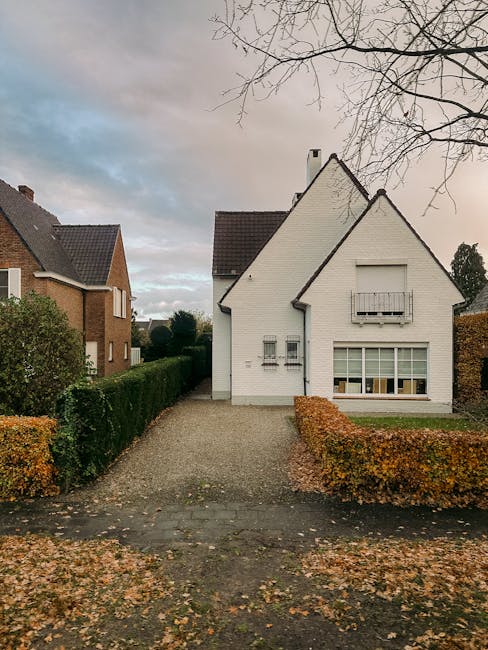
Belmont Park House Removals Tips for Tight Drives
If you are moving house in Belmont Park, the drive outside your home can make or break the day. A narrow lane, parked cars, a sharp turn, or a driveway with barely enough room to breathe can turn a straightforward move into a slow, tense shuffle. The good news? With the right Belmont Park house removals tips for tight drives, you can keep things calm, protect your belongings, and save everyone a lot of back-and-forth.
This guide is for anyone dealing with restricted access, awkward parking, or a van that simply cannot pull right up to the front door. We will look at what makes these moves tricky, how to plan them properly, and which practical steps really help on the day. Truth be told, a tight drive is not a disaster. It just needs a bit more thought.
Why Belmont Park house removals tips for tight drives Matters
House removals are already full of moving parts, and a tight drive adds another layer of pressure. In Belmont Park, that might mean a narrow residential road, limited turning space, shared access, or a driveway that only takes a smaller removal van. If the vehicle cannot get close enough to the property, every box, chair, and mattress has to be carried further. That slows the job down and increases the chance of damage.
It also changes the way you should prepare. You may need to think about loading order, parking permissions, route planning, and whether a local man with van in Belmont or a larger crew is the better fit. For some moves, a bigger truck is actually less practical than a compact vehicle with a smart unloading plan. Sounds simple, but it really does matter.
There is also the human side of it. A move through a tight access point can become stressful very quickly if the van blocks the street, neighbours are frustrated, or someone has to keep moving cars in and out of position. Nobody enjoys that. A little planning keeps the day smoother and, to be fair, much less awkward.
How Belmont Park house removals tips for tight drives Works
The basic idea is straightforward: you reduce friction before moving day. That means checking access, choosing the right vehicle, preparing the property, and making sure the team knows exactly how to approach the loading and unloading process. The tighter the access, the more important the sequence becomes.
In practice, this often starts with a quick assessment. You measure or estimate the width of the drive, think about overhead branches, wall edges, and turning space, then decide where the van can sit without causing trouble. If there is space only for brief stopping, the move may need to be split into smaller loads. That is normal. Not glamorous, but normal.
For many local moves, services like a suitable removal van in Belmont or flexible removal services in Belmont can make a big difference, especially where access is awkward and speed matters. The move itself then becomes a controlled flow: protect the route, carry the items safely, load them in the right order, and keep communication tight.
If you are working with a removals team, it helps to be upfront about the access issue early. A team that knows about the tight drive can bring the right kit, the right vehicle, and enough time. That usually saves far more stress than trying to improvise on the morning.
Key Benefits and Practical Advantages
The biggest benefit is reduced risk. Tight drives are awkward for corners, mirrors, and large furniture. If you prepare properly, you lower the chance of scraped walls, chipped paint, broken box corners, or someone straining themselves on a tricky carry.
There is also a speed advantage. A well-planned approach often means fewer wasted steps, fewer vehicle repositioning problems, and less time spent figuring out where to park. That can be especially useful if the street is busy or if you have neighbours who need access too.
Another benefit is cost control. Moves that are disorganised often take longer. Longer moves can mean more labour time, more van time, and more pressure to make quick decisions. That is where simple preparation pays off. Decluttering before the move, for example, can remove unnecessary volume and reduce the number of trips. If that sounds sensible, have a look at this guide to decluttering before a house move.
Finally, there is peace of mind. When the access is tight, uncertainty is the enemy. Knowing the plan means you are not standing in the doorway at 8:15am wondering if the sofa will fit through the gap. You already know what happens next. Much better.
| Approach | Best for | Main advantage | Possible drawback |
|---|---|---|---|
| Large van close to property | Driveways with decent turning space | Fewer trips and quicker loading | Can be difficult or impossible on tight streets |
| Compact removal van | Narrow drives and low-clearance routes | Better manoeuvrability | May require extra loading time |
| Shuttle carry from street parking | Very limited access | Works where direct driveway access is not possible | More walking and more handling |
| Split-load move | Mixed access and mixed item sizes | Flexible and low-risk | Can take longer overall |
Who This Is For and When It Makes Sense
This kind of planning is useful for anyone whose home has limited access. That includes terraced houses, end-of-terrace homes with tight corners, properties on narrow roads, shared driveways, flats with awkward courtyards, and homes where the van can only stop at the kerb.
It is also a smart approach if you are moving anything bulky or delicate. A piano, a big wardrobe, or a heavy mattress can be a headache even on a wide road. Add a narrow drive and the challenge goes up fast. If piano transport is part of the job, a specialist service like piano removals in Belmont may be the safer route.
Students and renters can benefit too. A smaller move does not mean a simple move. In fact, moving into a compact flat with poor access can be more fiddly than a larger house move. If that sounds familiar, a look at student removals in Belmont or flat removals in Belmont may help you decide what level of support you need.
And if you are comparing help options, there is nothing wrong with choosing a service that matches the space rather than trying to force the move into a bigger one-size-fits-all plan. That is often the difference between an easy day and a very long one.
Step-by-Step Guidance
Here is a practical way to handle a move where the drive is tight. Keep it simple and work through it in order.
- Check the access properly. Look at width, turning room, steepness, surface condition, and any overhead obstacles such as low branches or cables.
- Measure the bigger items. Sofas, wardrobes, beds, and appliances should be measured before moving day. Doors and stair corners matter too.
- Decide where the van can stop. If it cannot sit on the drive, identify a legal nearby stopping point. Avoid last-minute guesswork.
- Pack for shorter carries. Use strong boxes, secure lids, and sensible weight distribution. A box that is too heavy becomes painful fast when you are carrying it further than expected. For packing basics, this packing essentials guide is genuinely useful.
- Protect the route. If floors, thresholds, or narrow gate posts are involved, make sure they are covered or safeguarded. A few minutes here can prevent annoying marks later.
- Load in the right order. Put the items you need last near the back of the van and keep fragile or bulky pieces easy to reach.
- Keep communication direct. One person should usually guide the process. Too many voices, and things get messy. Fast.
- Leave a buffer in the schedule. Tight access often adds a little time, even when everything goes well. Build that in so you are not rushed.
A small but important point: if you know the move will involve waiting for a parking space or timing access around neighbours, tell the removals team in advance. Services such as delivery at the best time for you can be especially helpful when timing is tight.
If you prefer to pack everything first and let the team collect it in one clean sweep, that can work too. The approach at package your items and wait for us to come fits neatly with a carefully timed access plan.
Expert Tips for Better Results
One of the best tips is to think like the van driver before moving day. Where will they turn? Can they reverse safely? Is there enough room to open rear doors without blocking a gate or wall? These small questions often reveal the real problem before it becomes an on-site scramble.
Another tip is to reduce the number of awkward items in the first place. Long-handled tools, loose picture frames, and half-empty bags tend to create nuisance on tight carries. Keep the load compact. It sounds obvious, but people forget this in the final rush. We all do, a bit.
For heavy pieces, use the right lifting method rather than dragging items down a narrow route. If you want a refresher, these kinetic lifting tips and solo heavy lifting techniques can help you understand the basics. That said, there are moments when the safest move is not to lift at all. No shame in that.
A very practical trick: keep a clear staging area near the door, even if it is only a patch of hallway. Boxes should be ready to go, labels visible, and the route unobstructed. When the drive is tight, delay is the enemy. A clean staging area cuts down on hesitation.
One more thing. If you are moving a bed or mattress, plan that item separately. Mattresses bend when they should not and catch on things when you least expect them to. A careful process like the one in this bed and mattress moving guide can save a lot of frustration.
Common Mistakes to Avoid
People often assume the van can just "sort itself out" when it arrives. That is rarely a good plan. Tight drives need decisions made early, not on the pavement with everyone waiting.
Another mistake is underestimating the time a shuttle carry takes. If the van is parked further away, each item has to travel twice: once to the van, then from the van to the new home. That extra distance adds up quickly, especially with a full family house.
Overpacking boxes is another classic. A box that is too heavy may seem efficient at first, but on a long carry it becomes awkward and risky. Your back will not thank you, and neither will the box. Sometimes the box gives up first. Rather dramatic, really.
People also forget to check whether they need help with larger or specialist items. A sofa, freezer, or piano can turn a neat plan upside down if it is only spotted at the last minute. For those items, useful supporting guides include sofa handling advice and freezer storage guidance. If the item is awkward, treat it like an awkward item. Simple as that.
Finally, do not ignore the street itself. A narrow access route can be affected by school runs, refuse collections, delivery vans, or even a neighbour's car sitting in the wrong place. What looks fine at 9pm may be a different story at 8am on a weekday.
Tools, Resources and Recommendations
You do not need a van full of fancy equipment, but a few basics make a noticeable difference.
- Measuring tape: helpful for doorways, furniture, and drive width.
- Furniture blankets and padding: reduces knocks on tight corners.
- Strong tape and labels: keeps packed items secure and easy to identify.
- Gloves with grip: useful when handling heavier boxes outdoors.
- Trolley or sack truck: ideal for appliance moves and longer carries.
- Phone torch: useful for dim hallways, side paths, or early starts on winter mornings.
It can also help to use a proper removals service page to compare what is included. The main house removals Belmont page is a sensible starting point, and the broader services overview is useful if you are deciding between a full move, a smaller van service, or something more flexible.
If you are still unsure how much support you need, looking at removals Belmont, man and van Belmont, and man with a van Belmont can help you match the service to the access problem rather than the other way around.
Law, Compliance, Standards, or Best Practice
For a house move in the UK, the main thing is to keep the operation safe, legal, and considerate. That generally means parking lawfully, avoiding obstruction, and following normal road safety expectations. If a van needs to stop on the street, it should do so in a way that does not create unnecessary danger or nuisance.
Best practice also matters inside the property and on the access route. Manual handling should be sensible and proportionate to the weight and shape of the item. The Health and Safety Executive's general manual handling principles are widely understood across the removals industry: reduce avoidable strain, use the right equipment, and ask for help when the load is awkward. That is common sense, yes, but common sense is easy to skip on moving day.
Insurance and safety are worth checking too. If a move involves a tight drive, the chance of a scrape or trip hazard is higher than usual simply because the space is more constrained. It is wise to understand what the removal provider covers and what you should protect yourself. If you want a clearer picture, review the site's insurance and safety information and health and safety policy.
There is also a practical customer-service angle. If something does not go as planned, it helps to know how concerns are handled. That is why pages such as the complaints procedure and terms and conditions can be useful to review before booking. Not exciting reading, admittedly, but useful.
Options, Methods, or Comparison Table
There is no single best method for every tight-drive move. The right choice depends on how narrow the access is, how far the van must park from the property, and how many bulky items you have.
| Method | What it involves | Pros | Cons |
|---|---|---|---|
| Full-access van loading | Van parks close to the front or driveway | Fastest loading and unloading | Only works where space allows |
| Partial access loading | Van stops near the property, but not right outside | Balanced, flexible, often realistic | Requires a little more handling |
| Street shuttle carry | Items are carried from the property to a nearby parked van | Useful on very narrow roads | Slower and more physically demanding |
| Timed delivery and collection | Move is scheduled around access windows or traffic patterns | Good when the street is busy or shared | Needs more coordination |
For many Belmont Park homes, the second option is the sweet spot. It is flexible without becoming chaotic. If you are moving with a fairly standard household load, this is often the most practical compromise.
Case Study or Real-World Example
Imagine a small family home on a narrow Belmont Park street. The front drive is too tight for a large van to turn in comfortably, and there are parked cars on both sides of the road. The movers can stop briefly near the property, but not long enough to load everything in one go.
In that situation, a sensible plan might look like this: the family clears the hallway the night before, packs boxes by room, separates fragile items, and leaves the largest furniture ready for immediate access. The removal team arrives with a compact vehicle, assesses the turning space, and agrees on a short shuttle carry to a safer loading point. The sofa goes out first while the doorway is fully clear, then the remaining boxes follow in a controlled sequence.
Nothing dramatic happens. That is the point. No scraping mirrors, no frantic parking, no "we thought the van would fit" moment. Just a steady, manageable move. That little bit of planning turns what could have been a stressful morning into something almost pleasantly dull. And on moving day, dull can be lovely.
If the household also needs flexible storage or short-term holding while access is sorted, storage in Belmont may be worth considering before or after the move.
Practical Checklist
Use this checklist the day before moving.
- Measure the narrowest part of the drive or access route.
- Check for parked cars, bins, low branches, and sharp corners.
- Confirm where the van can stop safely and legally.
- Separate fragile, heavy, and awkward items.
- Clear hallways, front steps, and entrance paths.
- Pack boxes evenly and keep them well taped.
- Prepare blankets, straps, gloves, and a trolley if needed.
- Tell the removal team about any access limits in advance.
- Build extra time into the schedule for loading and unloading.
- Keep contact details handy in case parking or timing changes.
Expert summary: tight drives are manageable when the access is checked early, the vehicle is chosen carefully, and the move is packed in a way that suits the route. Most problems come from assumptions, not the driveway itself. Deal with the access honestly, and the rest gets much easier.
Conclusion
Belmont Park house removals tips for tight drives are really about control, clarity, and a little bit of patience. If the vehicle cannot get close to the house, the move still works; it just needs better planning. Measure first, pack smart, choose the right vehicle, and keep the team informed. Those basics do most of the heavy lifting.
Whether you are moving a family home, a flat, or just a few bulky pieces, the same rule applies: do the simple things well. A tight drive does not have to mean a difficult move. It just means you need to be a touch more organised than usual. That is all.
If you are ready to compare options, ask about access, or arrange a move that fits your street rather than fights it, the next step is easy.
Get a free quote today and see how much you can save.
Frequently Asked Questions
What should I do first if my Belmont Park driveway is too tight for a van?
Start by checking the access route from the road to the front door. Look at width, turning space, and anything that could block the van, such as parked cars or low branches. Once you know the limit, you can plan whether a compact van, partial access loading, or a shuttle carry is the best option.
Is a smaller van better for tight drives?
Often, yes. A smaller removal van can be easier to place, reverse, and turn on narrow residential streets. That said, a compact van may need more trips or more careful loading. The best choice depends on the furniture and the space available.
How can I avoid damaging walls or gates on a narrow access route?
Protect the route with blankets or padding where necessary, keep one person guiding movement, and make sure large items are carried slowly through tight points. It also helps to clear clutter before the move so nobody is squeezing past bins, bikes, or loose boxes.
Should I tell the removals company about my tight drive before booking?
Yes, definitely. The more they know in advance, the easier it is to send the right vehicle and plan the job properly. Surprises on moving day are rarely helpful, especially when parking is limited.
What if the van cannot park outside my house at all?
That is still manageable. The team may park nearby and carry items from the property to the vehicle. It takes longer, but it is a common solution for streets with restricted access. In some cases, a timed arrival helps reduce waiting around.
Do tight drives make a house move more expensive?
They can, depending on how much extra time or labour is needed. A move that involves long carries or multiple shuttle trips usually takes longer than one with direct access. The exact cost depends on the service, the volume of items, and the complexity of the route.
What items are hardest to move through a narrow drive?
Large sofas, wardrobes, beds, mattresses, freezers, and pianos are often the most awkward. They need more space, more control, and usually more than one pair of hands. If you have any of those, it is worth planning them separately.
Can I prepare the move myself to make a tight driveway easier?
Yes. Decluttering, packing boxes neatly, clearing hallways, and separating heavy items all help a lot. You can also check whether you need packing and boxes in Belmont to make the loading process more efficient.
What is the safest way to handle heavy items on a long carry?
Use proper lifting technique, keep the load close to your body, and avoid twisting while carrying. If something feels too awkward, ask for help or use a trolley. A short delay is better than a strained back.
Is it worth using storage if my access is very limited?
Sometimes, yes. Short-term storage can make the move less crowded and easier to phase if access is awkward or if completion dates do not line up neatly. It is especially useful if you want to move in stages instead of all at once.
What if I need a move done quickly because of access timing?
If timing is part of the problem, look for a service that can work around your schedule. Options such as same-day removals in Belmont or flexible delivery timing can be useful when parking windows are short or plans change late in the day.
How do I choose between a man and van and a full removals service?
If you have a smaller load and tricky access, a man and van setup may be more practical because it is usually more flexible. For larger homes or more fragile items, a full removals service may be better. The right answer is the one that fits the property, the access, and your schedule.
Where can I get help or ask questions about my move?
You can start with the contact page to discuss your access issues and get guidance before you book. A quick conversation often clears up the details faster than back-and-forth messages.