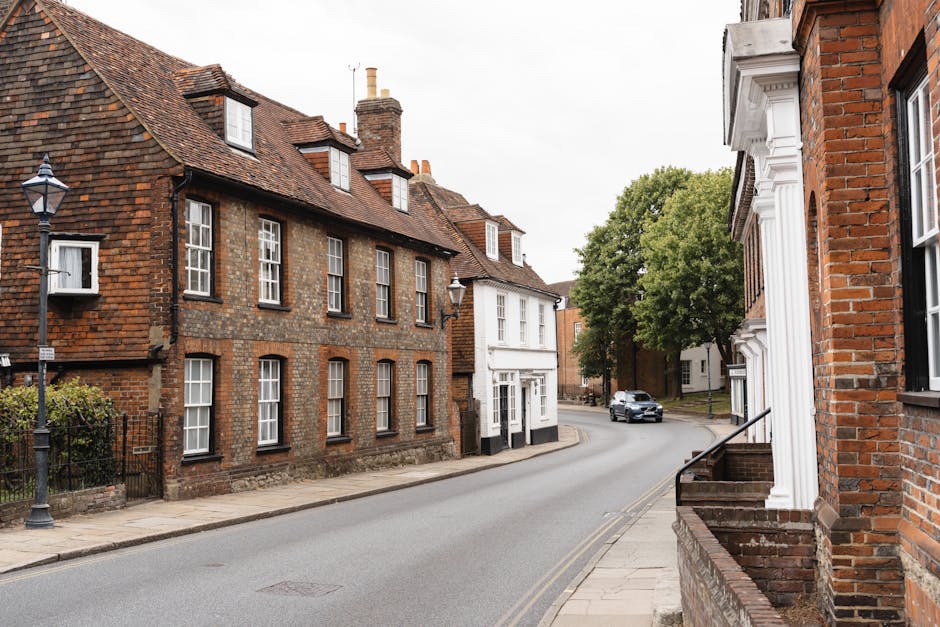
Belmont Village removals guide for narrow streets
Moving in Belmont Village can be straightforward on paper and surprisingly tricky in real life. Narrow lanes, tight corners, limited parking, awkward building access, and busy local traffic can turn a simple house move into a careful logistics job. This Belmont Village removals guide for narrow streets is designed to help you plan properly, avoid costly mistakes, and move with less stress.
If your home is on a street where two cars can barely pass, or your flat sits behind a row of terraced homes with no easy loading bay, you already know the challenge. The good news is that narrow-street moves are very manageable when you prepare well, choose the right vehicle, and organise the loading sequence carefully. A few smart decisions can save you hours on moving day.
Below, you will find a practical, local-first guide covering access planning, packing, vehicle choice, timing, safety, and the small details that make the biggest difference. For broader support, you can also explore removals in Belmont, compare service options through the services overview, or check pricing and quote options before you book.
Table of Contents
- Why narrow-street removals in Belmont Village matter
- How the move works on tight streets
- Key benefits and practical advantages
- Who this guide is for
- Step-by-step guidance
- Expert tips for better results
- Common mistakes to avoid
- Tools, resources and recommendations
- Law, compliance and best practice
- Options and comparison table
- Case study or real-world example
- Practical checklist
- Conclusion
- Frequently asked questions
Why Belmont Village removals guide for narrow streets Matters
Narrow streets change the nature of a move. A route that looks short on a map can become time-consuming if the van cannot park close enough to the property, if turning space is limited, or if neighbours are already using the road edges for parking. In those situations, the main challenge is not distance; it is access.
Good access planning protects your belongings and everyone involved. It reduces the number of times heavy items are lifted, lowers the chance of scrapes to furniture or walls, and helps the crew keep to a realistic schedule. On streets with restricted room, every extra metre between the front door and the vehicle matters more than people expect.
There is also a practical neighbour factor. Narrow roads can feel crowded quickly. A well-timed arrival, a neatly parked van, and clear communication make the whole operation calmer for everyone else on the street. That may sound minor, but it often decides whether a move feels controlled or chaotic.
If your move includes larger items, consider reading furniture removals support in Belmont for help with sofas, wardrobes, and other bulky pieces. For especially delicate items, such as uprights or digital pianos, specialist piano removals in Belmont may be the safer route.
How Belmont Village removals guide for narrow streets Works
The basic idea is simple: you adapt the move to the street, not the other way around. That usually means assessing the property access first, choosing the right size vehicle, planning how items will be carried, and selecting a loading sequence that avoids bottlenecks.
In practice, a narrow-street move often follows this pattern:
- Pre-move survey: Check street width, parking options, turning points, kerb height, steps, and whether there is any shared access.
- Vehicle planning: Match the van size to what the street can realistically handle. Bigger is not always better.
- Time planning: Choose a quieter window when possible, especially if the road is often busy or partially parked.
- Packing and grouping: Pack items by room and size so unloading stays efficient.
- Protection and carrying: Use blankets, straps, dollies, and correct lifting technique to reduce damage and strain.
- Loading strategy: Put the most awkward or essential items on the van in a logical order so they come out first at the destination.
This is why many people prefer a man with van in Belmont or a flexible man and a van service for local narrow-street moves. Smaller, more manoeuvrable vehicles can be easier to position without blocking traffic or risking damage to parked cars.
A good operator will also tell you what not to bring out first. Truth be told, that is often where amateur moves fall apart. The easiest thing to carry is not always the best thing to load first.
Key Benefits and Practical Advantages
When a narrow-street move is planned properly, the benefits are immediate. The move becomes quicker, safer, and easier to control. That matters whether you are leaving a terraced house, a basement flat, or a small office tucked into a side street.
- Less carrying distance: Better vehicle positioning reduces strain and speeds things up.
- Lower damage risk: Fewer awkward turns mean fewer opportunities to chip doorframes or knock corners.
- Better time control: A planned route and loading method keeps the day on track.
- Less disruption: Neighbours, cyclists, and drivers are less likely to be inconvenienced.
- More confident handling: The right equipment and sequence make bulky furniture easier to manage.
There is another advantage that is easy to overlook: narrow-street moves often expose weak packing habits very quickly. If a box is badly sealed or too heavy, it becomes much harder to manoeuvre through tight spaces. That is why solid preparation matters just as much as the van itself. For a useful refresher, see packing essentials for a smoother move.
Moving day can feel less frantic too. Once the access problem is solved, everything else tends to settle. And that is a relief, because nobody needs a second career in street-juggling just to get a sofa out of the door.
Who This Is For and When It Makes Sense
This guide is for anyone moving in Belmont Village or nearby streets where access is limited. It is especially useful if you are dealing with terraced homes, older properties, compact flats, or roads where parking is always at a premium.
You will benefit most from this approach if you are:
- moving from a house on a narrow residential street
- relocating from a top-floor or first-floor flat with tight stairways
- handling large furniture in a compact entrance area
- moving at a time when road space is likely to be busy
- trying to keep the move efficient without using a huge removal lorry
- needing a same-day or short-notice solution
Students, renters, and homeowners all face slightly different pressures, but the access problem is often the same. If your move is small enough to benefit from a compact vehicle, student removals in Belmont and flat removals in Belmont are worth considering. For larger family homes, a more structured house removals Belmont service can provide the extra capacity and coordination you may need.
If you are moving offices from a tight street, the same principles apply. The trick is to keep the move organised enough that staff are not waiting around while a van tries to reverse into a space that barely exists. That is where office removals in Belmont can be especially helpful.
Step-by-Step Guidance
Here is a practical method for handling a narrow-street move without turning it into a guessing game.
1. Walk the street in advance
Look at the road from the perspective of a van driver. Where can a vehicle safely pause? Is there room to turn? Are there cars usually parked on both sides? Are there trees, low walls, or tight bends that will affect access?
If possible, visit at the same time of day you plan to move. A street that seems open at 10 a.m. can be very different at school-run or commuting hours.
2. Measure the awkward parts, not just the rooms
Room sizes are useful, but the real pinch points are stairs, hallways, landings, door frames, and external paths. Measure the width and height of items like wardrobes, mattresses, and sofas, then compare them with your narrowest access point.
For bedding specifically, this is where moving beds and mattresses step by step can save time and awkward lifting.
3. Decide what should travel first
Before anything is moved, decide which items are priority unloads. Essentials, fragile boxes, and the first night's items should be loaded so they are easy to reach. That saves you digging through the van later, which is never fun when rain is starting and the street is tight.
4. Pack for control, not just storage
Boxes should be balanced, sealed properly, and labelled on more than one side. Keep heavier items in smaller boxes. Use protective wrapping where needed. The narrower the access, the more important stable boxes become, because wobbling loads are harder to carry through tight entrances.
For a more detailed packing approach, package your items and wait for us to come is a useful service model when you want the loading stage handled efficiently after your packing is complete.
5. Book the right vehicle size
A compact or mid-size removal van often works better on narrow streets than a large lorry. You need a vehicle that can actually get close to the property. A larger van may seem more efficient on paper, but if it blocks the road or cannot park safely, it slows everything down.
For many local moves, a removal van in Belmont gives a good balance of capacity and manoeuvrability.
6. Protect access points
Door frames, bannisters, corners, and floors deserve attention before the first item comes through. Use covers or blankets where appropriate. It is much easier to prevent scuffs than to explain them later.
7. Load in the right order
The van should be loaded like a puzzle, not a pile. Heavy items go low and stable. Fragile items are secured. Frequently needed items stay accessible. This reduces shifting during the drive and speeds unloading at the other end.
8. Keep communication simple
If there are multiple people helping, one person should direct the flow. Too many voices in a narrow hallway can create confusion fast. A calm, clear sequence almost always beats improvisation.
Expert Tips for Better Results
A few small habits make a big difference on narrow streets.
- Reserve the easiest curb space possible: Even a short walk from the van can become exhausting if every item has to be carried around parked cars.
- Use bright labels: Clear labelling helps movers work faster when boxes are stacked tightly.
- Strip bulky furniture: Remove drawers, shelves, cushions, and detachable parts before moving.
- Protect corners early: Corners get hit first in tight hallways and stairwells.
- Keep a "do not load last" pile: Essentials, valuables, documents, and chargers should be separated before the van arrives.
- Choose the quietest workable time: Early slots often help, but only if access and lighting are practical for your property.
One simple but effective habit is to stage items near the exit in the order they will be loaded. That reduces second-guessing at the kerb and avoids people weaving around each other in a cramped hallway. If you want a lower-stress move overall, these strategies for a non-stressful house move are a helpful companion read.
If you are moving heavy items without much help, read solo heavy lifting techniques and tips first. Even when professionals are involved, understanding safe lifting basics is useful.
Common Mistakes to Avoid
Most narrow-street problems are not dramatic. They are small mistakes that compound. Here are the ones worth avoiding.
- Booking a van that is too large: If it cannot access the street cleanly, the extra capacity is irrelevant.
- Assuming parking will be available: Don't rely on luck. Check the street properly.
- Packing boxes too heavily: Overloaded boxes are awkward in tight spaces and more likely to break.
- Leaving dismantling until moving day: Flat-pack furniture and large bed frames are easier to handle when already broken down.
- Forgetting about neighbours and traffic: Narrow streets need more courtesy and better timing than wider roads.
- Ignoring stairwells and internal pinch points: The front door is only one part of the route.
- Not preparing for weather: Rain, wind, and wet pavements add risk when the carrying distance is already awkward.
A related mistake is underestimating the emotional drain of clutter. The more you move, the more you carry mentally as well as physically. A good decluttering pass can reduce both. If that sounds familiar, decluttering before moving is one of the best time-saving decisions you can make.
Another common issue is poor item protection. Sofas, in particular, can suffer in narrow hallways if they are not prepared properly. For long-term handling advice, see sofa storage and handling tips.
Tools, Resources and Recommendations
You do not need specialist equipment for every move, but a few tools are consistently useful when access is tight.
| Tool or resource | Why it helps | Best use |
|---|---|---|
| Furniture blankets | Protects surfaces from knocks and scrapes | Sofas, tables, wardrobes, appliances |
| Ratchet straps | Stops items shifting in the van | Securing tall or heavy items |
| Wheel dollies | Reduces lifting strain | Heavier furniture on level surfaces |
| Strong tape and labels | Keeps boxes secure and identifiable | Room-by-room organisation |
| Protective floor covering | Prevents scuffs in hallways and entrances | Properties with polished floors or tight turns |
It also helps to use services that match your actual needs rather than overbuying capacity. For some people, a flexible man with a van in Belmont is ideal. For others, a fuller removal services Belmont package provides better value because it combines transport, loading support, and a more organised workflow.
If you need quick turnaround, a same-day removals Belmont option may also be relevant, although availability will always depend on scheduling and access requirements. And if you are still comparing providers, removal companies in Belmont can give you a useful sense of service levels.
Law, Compliance, Standards, or Best Practice
Narrow-street removals are not usually about complicated regulations, but there are still important standards and duties to keep in mind. In the UK, movers and drivers must act safely, respect road users, and avoid unreasonable obstruction. On residential streets, that means thoughtful parking, careful loading, and good communication with the people involved.
If a vehicle needs to stop on a public road, the operator should consider visibility, access for emergency vehicles, and the safety of pedestrians. This is especially relevant in tight village streets where visibility may already be limited. Local parking restrictions, dropped kerbs, and permit zones can also affect how the move is arranged.
From a best-practice point of view, a reputable mover should:
- handle items with reasonable care
- plan around the property's access constraints
- use appropriate lifting and securing methods
- communicate clearly about timing and loading order
- work with safety in mind for staff, customers, and the public
Insurance matters too. Even careful movers need the right cover and sensible risk management. If you want to understand this side better, review the site's insurance and safety information and the health and safety policy. For payment confidence and practical reassurance, the payment and security page is also worth a look.
And because bookings often involve personal information and transaction details, it never hurts to check the provider's privacy policy and terms and conditions before confirming anything.
Options, Methods, or Comparison Table
Different move types suit different narrow-street conditions. This comparison should help you choose the most practical approach.
| Approach | Best for | Pros | Watch out for |
|---|---|---|---|
| Small man and van | Compact flats, light loads, tight streets | Manoeuvrable, flexible, often quick to position | Limited capacity for large household moves |
| Mid-size removal van | Typical local house or flat moves | Good balance of space and access | Still needs a sensible parking plan |
| Full removals service | Larger homes or more complex moves | More support, better coordination, less lifting stress | May need earlier booking and more planning |
| Self-move with hired van | Small budgets and simple loads | Lower upfront cost, direct control | More risk, more physical work, harder on narrow streets |
In narrow roads, the most efficient option is often not the cheapest-looking one. If you have heavy furniture, difficult stairs, or a strict time window, paying for the right support can be the smarter move. For instance, a compact route with delicate items may fit best with man and a van Belmont, while a whole-house relocation may need a wider house removals Belmont solution.
Case Study or Real-World Example
Imagine a small two-bedroom terrace on a street where parked cars line both sides and there is only enough room for one vehicle to pass carefully. The household is moving on a Friday afternoon, which is never ideal in a busy residential area. They have a sofa, a bed frame, several medium boxes, a dining table, and a few fragile items.
Instead of sending a large vehicle and hoping for the best, the mover checks the street the day before and suggests an earlier loading window. The sofa and bed frame are dismantled in advance. Boxes are labelled by room and grouped near the front door. The van arrives with enough capacity to complete the move in one trip, but not so much size that it creates road problems.
Because the most awkward items are loaded first and the essential boxes stay accessible, unloading at the destination is smooth. No one has to hunt for the kettle, the bedding, or the chargers. The result is not glamorous, but it is exactly what good removals should be: calm, efficient, and uneventful.
That kind of outcome is usually the product of boring, practical decisions. And honestly, boring is underrated when you are moving house.
Practical Checklist
Use this checklist the week before moving day and again on the morning itself.
- Measure the narrowest parts of the route, including doors and stairs
- Check parking, turning space, and likely street congestion
- Choose a vehicle that can actually access the property safely
- Dismantle large furniture where possible
- Label boxes clearly by room and priority
- Pack heavy items into smaller boxes
- Protect floors, corners, and door frames
- Keep essentials separate from general packing
- Confirm arrival time and contact details
- Review the loading order before the van arrives
- Prepare weather protection if rain is likely
- Make sure pets, children, and non-essential people stay clear of the carry path
If you want extra structure for the packing stage, the site's packing and boxes Belmont page can help you plan materials more confidently. And if you already know you need a quote, the simplest next step is to contact the Belmont team here.
Conclusion
Narrow streets do not have to make your move difficult. They just demand a more thoughtful approach. If you plan access carefully, choose the right vehicle, pack with transport in mind, and keep the loading sequence simple, a Belmont Village move can run smoothly even where space is tight.
The real secret is not speed. It is preparation. Once the street, vehicle, and item flow are aligned, the move becomes much easier to manage. That is true whether you are moving from a compact flat, a family home, or a small office.
Get a free quote today and see how much you can save.
Frequently Asked Questions
What makes narrow streets in Belmont Village harder for removals?
The main challenge is access. Tight parking, limited turning room, and the extra carrying distance from van to door all add time and complexity. Even a short move can become difficult if the vehicle cannot get close enough to the property.
Should I choose a large van or a smaller one for a narrow street?
Usually, a smaller or mid-size van is better if access is tight. A larger van only helps if it can park and manoeuvre safely. Capacity matters, but access matters more.
How far in advance should I plan a narrow-street move?
As early as possible, ideally once you know the moving date. A quick street check, item list, and access review can prevent problems later. If you are moving during a busy period, earlier planning becomes even more valuable.
Do I need to measure my furniture before the move?
Yes, especially for large pieces such as sofas, beds, wardrobes, and tables. Measuring helps you compare furniture size with stairways, doors, and hallways so you do not face a surprise on the day.
Can movers help with packing for narrow-street removals?
Yes, and it often helps. Good packing makes items easier to carry, stack, and protect. If you prefer to handle the packing first, services like package your items and wait for us to come can be a practical fit.
What if parking is impossible directly outside my property?
Then the move needs to be arranged around the nearest realistic loading point. That might mean a short carry, a different time slot, or a smaller vehicle. The key is to plan for the actual street conditions rather than assuming ideal parking.
Are same-day removals realistic on narrow streets?
They can be, but only if the access is manageable and the booking is simple enough to organise quickly. For more complex homes or heavy furniture, a little extra lead time is usually safer.
How can I reduce the risk of damage in tight hallways?
Use protection on floors and corners, dismantle bulky furniture where possible, and make sure heavy items are carried with control rather than rushed. A clear loading and unloading path also helps a lot.
Is it worth using a removals company instead of doing it myself?
In many narrow-street situations, yes. A professional mover usually has better route planning, lifting equipment, and experience with awkward access. That can reduce stress and lower the risk of damage or injury.
What should I do first if I am comparing Belmont removals services?
Start with access, item size, and the level of support you need. Then compare service types, vehicle options, and quote clarity. If you want a broader overview, removal services in Belmont is a sensible place to begin.
Do I need special help for pianos or very heavy items?
Usually yes. Pianos, large wardrobes, and similar items can need specialist handling and planning, especially on narrow streets. Dedicated support such as piano removals Belmont is often the safest option.
What is the best next step if I am ready to book?
Gather your moving date, property details, item list, and any access notes. Then request a quote and mention the narrow-street conditions clearly so the service can be planned properly.